Can I have an online consultation?
Yes, you can have a phone consultation with prior coordination.
How can I tell if I really need a psychologist?
If you feel that a problem has significantly affected your mind, emotions, relationships, or daily functioning, talking to a psychologist can be helpful. You don’t necessarily have to have a very severe problem; sometimes seeking help early prevents an issue from getting worse.
To see a psychologist, you must definitely have a serious problem
No. Psychology isn’t only for treating mental disorders. Self-understanding, improving relationships, boosting self-confidence, decision-making, emotional regulation, and personal development—as well as healthy conversation—are also common reasons for visiting a psychologist.
What if I can’t talk about my problem?
Don’t worry. You don’t need to explain everything completely from the very first session. A psychologist helps you gradually talk about your feelings and experiences by creating a safe, nonjudgmental space.
Will my conversations during the session remain confidential?
The confidentiality of client information is fundamental, and the information discussed in sessions must be maintained while respecting the individual’s privacy. However, as with any specialized profession, there may be exceptional circumstances and specific legal requirements, which are explained during the counseling process.
How can I tell if my emotional relationship is healthy or not?
A healthy relationship isn’t formed only by affection; respect, trust, psychological safety, effective communication, boundaries, and accountability are also important. If, in your relationship, you constantly feel fear, worthlessness, being controlled, or emotional exhaustion, it may be helpful to assess the relationship with the help of a specialist.
Is premarital counseling really necessary?
Premarital counseling can help couples better understand differences, values, expectations, communication styles, and sensitive points in the relationship. The purpose of counseling is not merely to say “get married or don’t,” but to help you make a more informed decision.
If we argue a lot in our relationship, does counseling
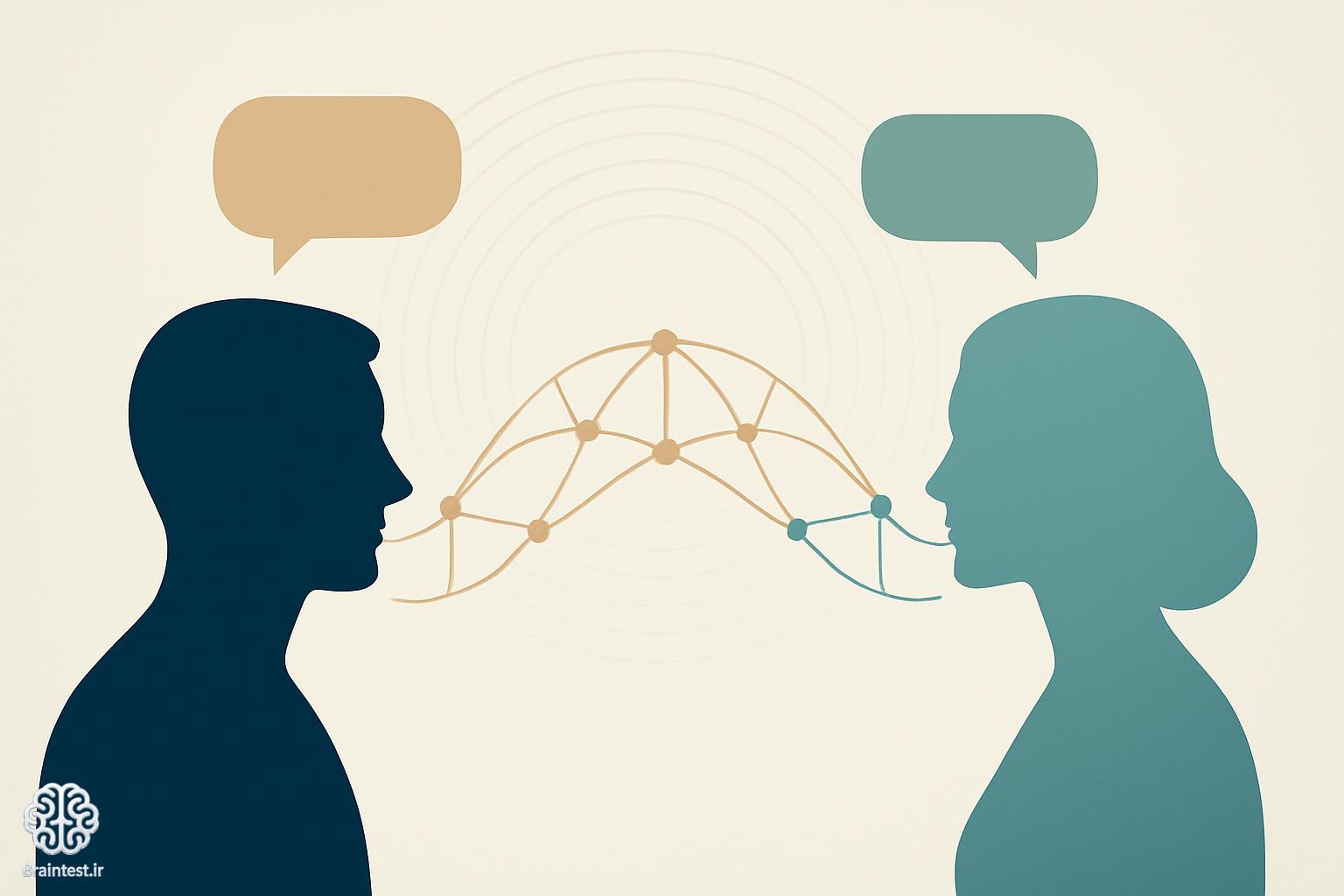
Yes, especially if the couple still has a desire to improve their relationship. During sessions, we can examine repeating patterns of arguments, communication styles, emotional needs, and how conflicts are resolved, and practice more appropriate skills.
After infidelity, is it possible to continue the relationship?
In some cases, yes; however, continuing the relationship after infidelity depends on various factors, such as accepting responsibility, honesty, ending the relationship outside of marriage, the possibility of rebuilding trust, and the genuine willingness of both people to repair the relationship. Hasty decision-making in such situations is generally not recommended.
How can I tell if I’m compatible for marriage with the right person?
Simply loving each other is not enough to make a marriage decision. Understanding personality, values, lifestyle, future goals, conflict-resolution approach, relationships with each partner’s families, and each side’s expectations is very important. Premarital counseling can help you gain a deeper understanding of these factors.
Why do I overthink too much?
Thinking is natural, but when the mind is constantly occupied with analysis, worry, or replaying past events, it can turn into rumination. Identifying triggers and learning skills to regulate thoughts and emotions can help reduce this cycle.
How can I increase my self-confidence?
Self-confidence is not built only with positive statements. Recognizing strengths, accepting weaknesses, setting achievable goals, experiencing small successes, and improving inner dialogue are effective ways to strengthen it.
Why do I keep comparing myself to others?
Comparing can be influenced by self-confidence, unrealistic standards, and excessive focus on other people’s approval. The goal isn’t to never compare yourself to others; rather, you should learn not to determine your worth solely by comparison with others.
How can I tell if my child’s behavior is normal or needs counseling?
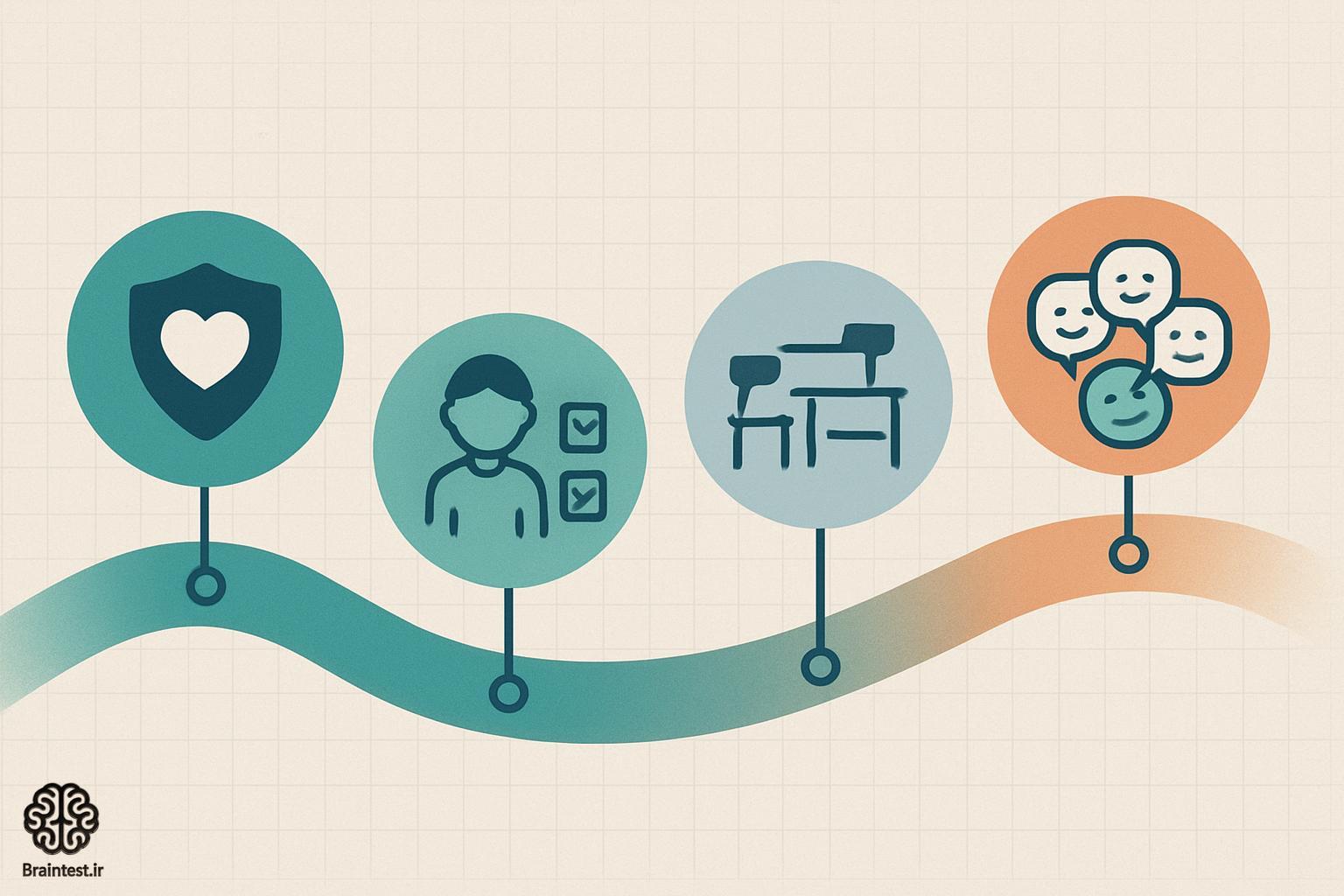
Every behavior should be assessed according to the child’s age and circumstances. If a behavior is severe, persistent, or increasing—and affects school, relationships, sleep, family, or daily life—it’s better to consult a specialist.
Why has my child become aggressive?
From communication and emotional difficulties to environmental pressures, family patterns, or inability to express needs. Instead of focusing solely on behavior, it’s better to also examine the cause and the underlying need behind it.
Why do I constantly feel anxious, even when nothing special is happening?
Anxiety is not always a direct reaction to an external event. Sometimes thought patterns, persistent worries, past experiences, or life pressures keep the anxiety system active. Identifying the cause of anxiety is the first step in managing it.
How long after the session can I expect to see changes?
Psychological change is usually a gradual process, and the pace differs from person to person. The goal is not only to feel better after a few sessions; it’s also important to create skills and changes that you can apply in everyday life.